
Bergamot Essential Oil
Essential Oils
Bergamot essential oil is a bright, elegant citrus oil expressed from the peel of Citrus bergamia. It is best known for its fresh green-citrus aroma, soft floral undertone, connection to Earl Grey tea, and its long-standing role in perfumery, diffuser blends, emotional wellness rituals, and natural fragrance.
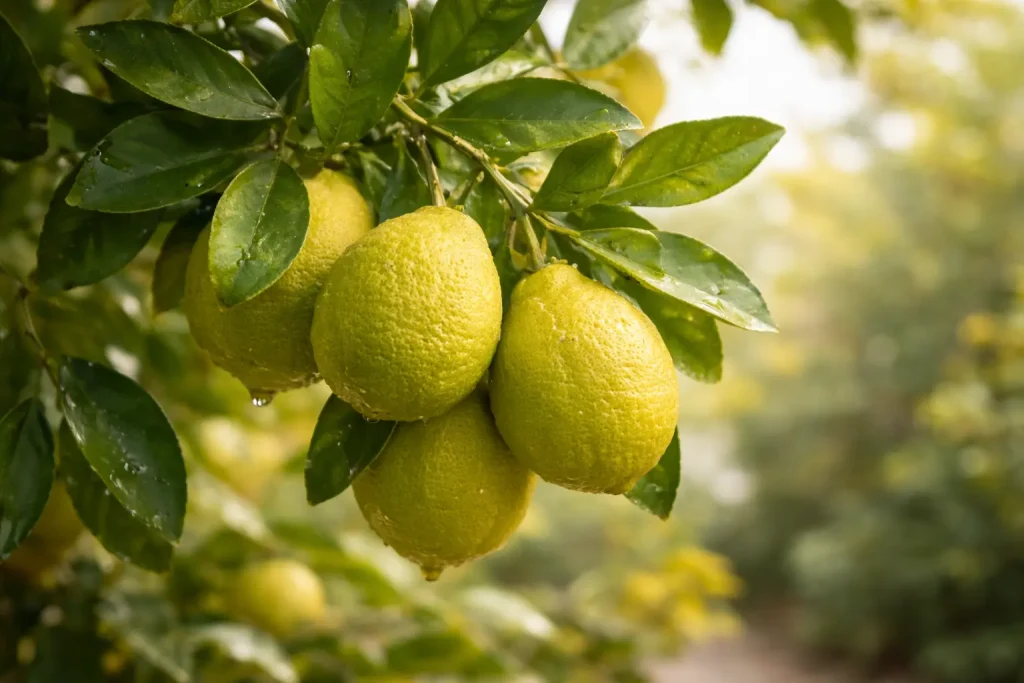
Bergamot smells lighter and more complex than many familiar citrus oils. It has the sparkle of lemon, the gentle sweetness of sweet orange, a slightly bitter green edge, and a delicate floral quality that makes it blend beautifully with herbs, woods, resins, and florals.
Quick Answer
Bergamot essential oil is commonly used in aromatherapy for bright diffuser blends, relaxed evening routines, natural perfume, room sprays, bath products, and carefully diluted topical blends. It pairs especially well with lavender, clary sage, frankincense, cedarwood atlas, geranium, ylang ylang, grapefruit pink, and neroli.
The most important safety point is phototoxicity. Regular cold-pressed bergamot essential oil can make skin more sensitive to sunlight and UVA exposure. For leave-on skin products, choose FCF or bergapten-free bergamot, or keep cold-pressed bergamot at very low levels and avoid sun or tanning bed exposure after application.
What Is Bergamot Essential Oil?
Bergamot essential oil comes from the peel of Citrus bergamia, a citrus fruit strongly associated with Calabria in southern Italy. The fruit looks somewhat like a small yellow-green orange or pear-shaped citrus, but its aroma is more complex than ordinary orange or lemon. Bergamot is one of the most important citrus materials in perfumery because it adds brightness, elegance, freshness, and lift without feeling too sugary.
Botanically, bergamot belongs to the Rutaceae family, the citrus family. This connects it with lemon, sweet orange, grapefruit pink, lime, mandarin red, bitter orange, neroli, and petitgrain. Although these oils share a citrus family connection, they are not interchangeable. Bergamot has a uniquely floral, green, and slightly bitter character.
Most bergamot essential oil is cold pressed from the peel. This method preserves the bright, fresh, sparkling aroma that makes bergamot so beloved. However, cold-pressed bergamot may naturally contain furanocoumarins such as bergapten, which are linked with phototoxic skin reactions. FCF bergamot, also called furanocoumarin-free or bergapten-free bergamot, has been processed to remove or greatly reduce these compounds.
What Does Bergamot Essential Oil Smell Like?
Bergamot smells fresh, citrusy, green, floral, lightly bitter, and refined. It is less sharp than lemon, less sweet than sweet orange, and more elegant than many straightforward citrus oils. Its scent has a soft tea-like quality, which is one reason bergamot is famously associated with Earl Grey tea.
In blends, bergamot can brighten heavy oils and soften sharp ones. It brings lift to frankincense, elegance to cedarwood atlas, freshness to patchouli, sparkle to lavender, and a graceful citrus-floral bridge to oils such as geranium, clary sage, roman chamomile, and ylang ylang.
Cold-Pressed Bergamot vs. FCF Bergamot
Bergamot essential oil is one of the clearest examples of why extraction method and oil type matter. Regular bergamot essential oil is usually cold pressed from the peel. This gives the oil its beautiful fresh citrus aroma, but it may also contain phototoxic compounds that can increase skin sensitivity to sunlight and UVA exposure.
FCF bergamot means furanocoumarin-free bergamot. It may also be called bergapten-free bergamot. This version has been processed to remove or greatly reduce the furanocoumarins responsible for phototoxicity. FCF bergamot is generally the safer choice for leave-on skincare, body oils, lotions, perfume oils, and massage blends, especially if the skin may be exposed to sun.
For diffusion, either regular bergamot or FCF bergamot may be used, though sensitive users may still prefer FCF. For topical use, especially in products applied to exposed skin, FCF bergamot is usually the more practical option.
Common Uses of Bergamot Essential Oil
Bergamot essential oil is often chosen when a blend needs to feel fresh, emotionally light, elegant, and quietly uplifting. It is a beautiful oil for morning light, clean rooms, soft evenings, journaling, gentle body care, natural perfume, and diffuser blends that need brightness without harshness.
Bright Diffuser Blends
Bergamot is a natural diffuser oil because it makes a room feel fresh without smelling like a cleaning product. It can be blended with lemon for sparkle, sweet orange for warmth, lavender for softness, peppermint for brightness, or eucalyptus radiata for a crisp, airy feeling.
Relaxed Evening Routines
Although bergamot is a citrus oil, it does not feel aggressively stimulating. Its gentle floral edge makes it useful in evening diffuser blends, especially with lavender, clary sage, frankincense, cedarwood atlas, or roman chamomile. It can brighten a nighttime blend without making it feel too sharp or awake.
Emotional Wellness and Mood Rituals
Bergamot is often used in aromatherapy when someone wants a scent that feels optimistic, open, and emotionally spacious. It should not be described as treating anxiety, depression, or mood disorders. Instead, it can be framed as an aromatic support for calm breathing, a softer atmosphere, journaling, meditation, or a more pleasant daily routine.
Natural Perfume
Bergamot is a classic perfumery material. It adds lift to the opening of a fragrance and helps connect citrus, floral, herbal, resinous, and woody notes. In natural perfume blends, it works well with neroli, petitgrain, geranium, rose absolute, frankincense, sandalwood, cedarwood atlas, and patchouli. For leave-on perfume oils, FCF bergamot is the safer choice.
Bath and Body Products
Bergamot is popular in bath oils, body washes, lotions, scrubs, and creams because it smells fresh, clean, and elegant. For leave-on body products, use FCF bergamot or stay within very conservative phototoxicity limits for cold-pressed bergamot. For baths, essential oils should always be dispersed properly before they touch bathwater.
Home and Linen Sprays
Bergamot can make linen sprays and room sprays feel fresh without becoming too medicinal. It pairs nicely with lavender, tea tree, lemon, rosemary, and cedarwood atlas. Use a proper solubilizer or emulsifier in water-based sprays, and avoid spraying directly onto delicate fabrics without testing first.
Quick Tips for Using Bergamot Essential Oil
Fresh Morning Diffuser
Add 3 drops bergamot, 2 drops sweet orange, and 1 drop rosemary to a diffuser. Run for 30 to 45 minutes in a ventilated room for a bright, clear start.
Soft Evening Blend
Diffuse 2 drops bergamot, 2 drops lavender, and 1 drop frankincense. This creates a gentle citrus-floral atmosphere without feeling too sweet.
Perfume Oil Note
For leave-on perfume oils, choose FCF bergamot. Try it with cedarwood atlas, neroli, or patchouli for a refined natural fragrance.
Sun Safety Reminder
If using regular cold-pressed bergamot on skin, avoid sunlight and tanning beds on that area unless the product is safely formulated for phototoxicity.
Dilution Guidance
General Adult Dilution
For FCF bergamot, general adult topical use is usually kept around 1% to 2% dilution. A 1% dilution is about 1 drop of essential oil per teaspoon of carrier oil. A 2% dilution is about 2 drops per teaspoon of carrier oil.
Regular cold-pressed bergamot needs stricter handling because of phototoxicity. For leave-on products applied to skin that may be exposed to sunlight or UVA, cold-pressed bergamot should be kept extremely low. A commonly cited safety limit is around 0.4% in leave-on skin products. If you are not comfortable calculating this precisely, use FCF bergamot for topical blends.
For facial use, keep dilution much lower, generally around 0.25% to 0.5%, and use FCF bergamot. Avoid the eye area, lips, broken skin, irritated skin, and freshly shaved skin. Citrus oils can become more irritating as they oxidize, so store bergamot essential oil tightly closed, away from heat and light, and replace old oil.
How to Use Bergamot Essential Oil
In a Diffuser
Use 3 to 5 total drops of essential oil in a standard room diffuser, depending on room size, diffuser type, and personal sensitivity. Bergamot works beautifully as the main note in a citrus blend or as a bright accent in deeper blends with frankincense, cedarwood atlas, patchouli, or sandalwood. Diffuse intermittently in a ventilated room.
On Skin
Always dilute bergamot essential oil before applying it to skin. For leave-on skin use, FCF bergamot is usually the easiest and safest choice. If using regular cold-pressed bergamot, avoid sun and UVA exposure on the applied area unless the blend has been formulated within phototoxicity limits.
In Bath Products
Do not add bergamot essential oil directly to bathwater. Essential oils do not dissolve in water and can sit on the surface, increasing the risk of irritation. Blend bergamot into an appropriate dispersant, unscented bath gel, or fully emulsified bath product first. FCF bergamot is preferable for bath and body use.
In DIY Products
Bergamot can be used in room sprays, linen sprays, body oils, creams, massage blends, bath blends, and perfume oils. Water-based products need proper formulation, not just water and essential oil. Label blends clearly, keep them away from children and pets, and avoid using old oxidized citrus oils on skin.

History and Origins of Bergamot
Bergamot is most closely associated with the coastal areas of Calabria in southern Italy, where the fruit has been cultivated for generations and became economically and culturally important. The exact botanical origin of Citrus bergamia is still discussed, but it is widely understood as a distinctive citrus that developed into a prized aromatic crop, especially for its peel oil.
The fruit itself is usually too sour and bitter to eat like an orange, but its peel is exceptionally fragrant. This made bergamot valuable in perfumery, cosmetics, soaps, flavoring, and aromatic products. The essential oil became a classic top note in perfume because it gives an immediate sense of freshness, brightness, and elegance.
Bergamot is also famous for its connection to Earl Grey tea. The characteristic aroma of Earl Grey comes from bergamot flavoring, traditionally associated with the fragrant peel of Citrus bergamia. This connection helped make bergamot one of the few essential-oil plants whose scent is familiar even to people who do not use essential oils.
In older European aromatic traditions, bergamot belonged to the world of perfume, refined grooming, scented waters, and bright citrus tonics. Today, bergamot essential oil still carries that sense of elegance: fresh, polished, lightly floral, and emotionally uplifting without being loud.
Bergamot Diffuser Blends
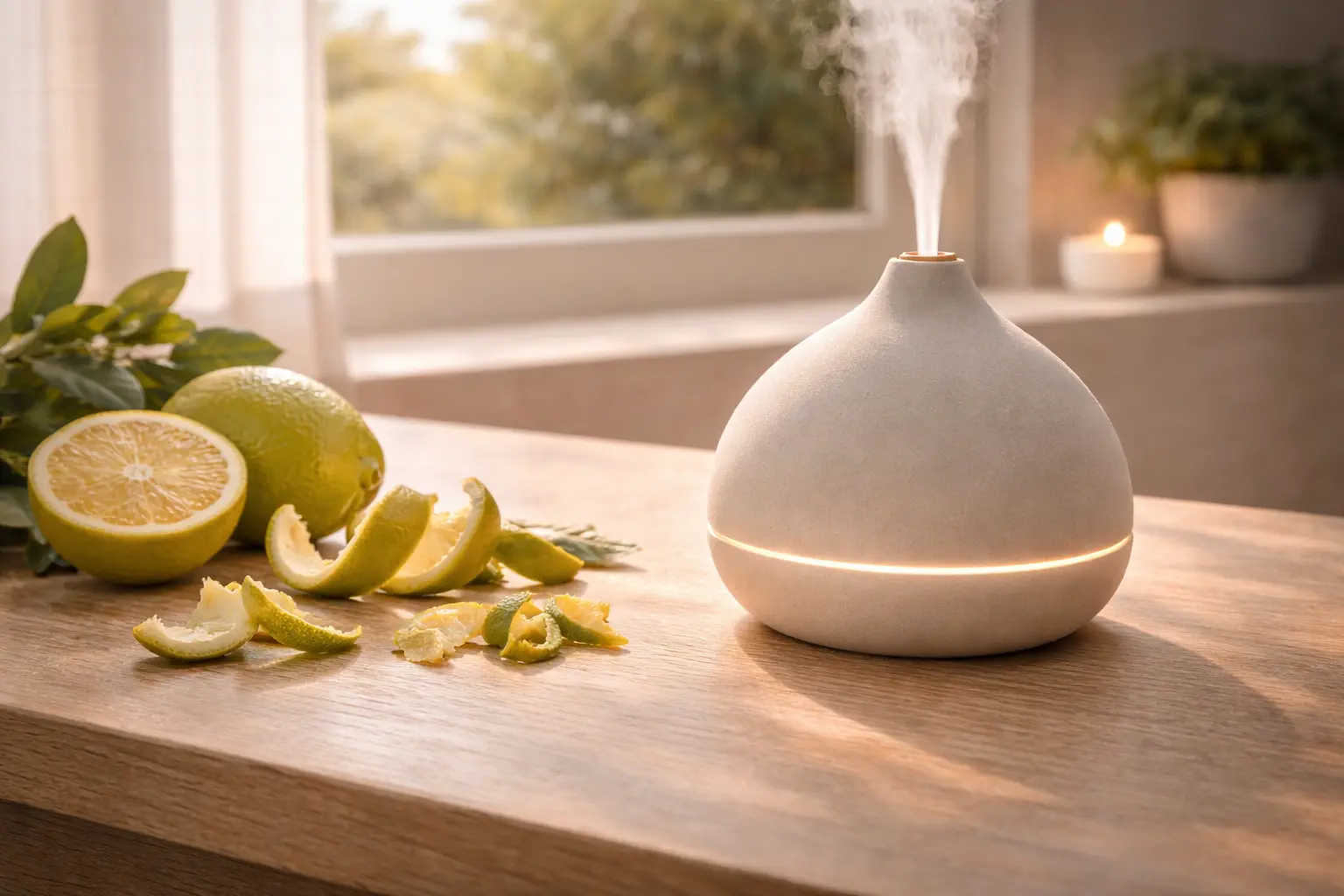
Bergamot blends well with citrus, floral, herbal, resinous, and woody oils. It is especially useful when a diffuser blend needs brightness but should still feel soft and composed.
Calabrian Morning
A bright, green-citrus blend for a clean morning atmosphere and focused home routines.
Earl Grey Evening
- 3 drops bergamot
- 2 drops lavender
- 1 drop frankincense
A soft citrus-floral-resin blend with a calm, tea-like mood for late afternoon or evening.
Golden Clarity
- 2 drops bergamot
- 2 drops sweet orange
- 1 drop cedarwood atlas
A warm citrus-wood blend that feels cheerful, grounded, and easy to live with.
Soft Heart
- 2 drops bergamot
- 1 drop clary sage
- 1 drop geranium
A gentle floral-citrus blend for journaling, relaxed evenings, and emotional softness.
What Blends Well with Bergamot Essential Oil?
Bergamot blends naturally with lavender, clary sage, roman chamomile, geranium, ylang ylang, neroli, petitgrain, lemon, sweet orange, grapefruit pink, lime, frankincense, cedarwood atlas, sandalwood, patchouli, tea tree, eucalyptus radiata, and rosemary.
For a bright blend, combine bergamot with other citrus oils. For a relaxed blend, use lavender, roman chamomile, clary sage, or frankincense. For a natural perfume feeling, pair bergamot with neroli, geranium, sandalwood, patchouli, or cedarwood atlas.
FAQ About Bergamot Essential Oil
Is bergamot essential oil phototoxic?
Regular cold-pressed bergamot essential oil can be phototoxic because it may contain furanocoumarins such as bergapten. If applied to skin and then exposed to sunlight or UVA, it may increase the risk of a sunburn-like reaction, blistering, or discoloration. FCF or bergapten-free bergamot is processed to remove or greatly reduce this concern.
What does FCF bergamot mean?
FCF means furanocoumarin-free. FCF bergamot has been processed so that the phototoxic furanocoumarins are removed or greatly reduced. It is usually the better choice for leave-on skin products, body oils, creams, massage blends, and perfume oils.
Can bergamot essential oil be used on skin?
Yes, but it must be diluted properly. For topical use, FCF bergamot is generally preferred. If using regular cold-pressed bergamot, keep the amount very low and avoid sun or UVA exposure on the applied skin area unless the product is safely formulated for phototoxicity.
Is bergamot essential oil the same as Earl Grey tea?
No. Earl Grey tea is black tea flavored with bergamot aroma or flavoring. Bergamot essential oil is the concentrated aromatic oil from the peel of Citrus bergamia. The familiar Earl Grey scent is one reason many people recognize bergamot’s fragrance immediately.
Can bergamot essential oil help with anxiety or depression?
Bergamot is often used in aromatherapy for calming, bright, emotionally pleasant routines, but it should not be described as treating anxiety, depression, or any mental health condition. It can be part of a supportive atmosphere, breathing practice, or relaxation ritual, but it is not a substitute for professional care.
Can bergamot essential oil be ingested?
Do not ingest bergamot essential oil as a casual wellness practice. Essential oils are highly concentrated, and internal use should only happen under the guidance of a qualified professional trained in that method of use.
How should bergamot essential oil be stored?
Store bergamot essential oil tightly closed, away from heat, light, and air. Citrus oils can oxidize over time, and oxidized oils are more likely to irritate the skin. If the oil smells stale, harsh, sticky, or noticeably different, do not use it on skin.
Bergamot Essential Oil, Spirituality, and Soul
The main sections above focus on botanical information, practical use, dilution, and safety. Bergamot also has a symbolic and spiritual life in modern aromatherapy, where its bright green-citrus aroma is often associated with lightness, emotional renewal, optimism, and the ability to open a little window inside a heavy day.
Bergamot is sometimes used in meditation, journaling, breathwork, and morning rituals when someone wants to invite clarity without harshness. It does not feel forceful or overly energizing. Instead, bergamot has a graceful brightness, like sunlight filtered through leaves.
Emotional Lightness
In symbolic aromatherapy, bergamot is often connected with emotional lift. Its scent can feel like a gentle clearing of heaviness, making it a natural companion for slow mornings, transitional seasons, and quiet moments of self-kindness.
Heart and Solar Plexus Energy
Some spiritual traditions associate bergamot with the heart because of its warm, open, floral-citrus quality. Others connect it with the solar plexus because of its golden brightness and connection to confidence, ease, and personal warmth. These associations are symbolic, not medical or scientific claims.
Threshold Rituals
Bergamot works beautifully in rituals of beginning again: opening windows, cleaning a room, starting a new journal, preparing for a conversation, or resetting the atmosphere after a difficult day. It carries a sense of fresh air, soft courage, and elegant renewal.
Safety Notes
Bergamot essential oil should be diluted before topical use. Do not apply it undiluted to the skin, do not use it in or near the eyes, and do not take it internally as a casual wellness practice.
Regular cold-pressed bergamot essential oil can be phototoxic. If it is used in a leave-on skin product, avoid sun exposure and UVA tanning beds on the applied area unless the product is formulated within recognized phototoxicity limits. For body oils, lotions, creams, perfume oils, and massage blends, FCF or bergapten-free bergamot is usually the safer choice.
Use extra caution with children, elderly adults, pregnancy, breastfeeding, sensitive skin, asthma, complex medical conditions, medication use, and pets. Diffuse in moderation, keep rooms ventilated, and avoid continuous diffusion. Store bergamot away from heat, light, and air, and do not use old or oxidized citrus oil on skin.
Further Reading and Sources
For botanical, chemical, and safety-oriented background, these sources may be useful starting points:
- Citrus bergamia essential oil: from basic research to clinical application
- Tisserand Institute: Phototoxicity, essential oils, sun and safety
- Characterization of bergamot essential oil: chemical, microbiological and colloidal aspects
- Bergamot: cultivar, harvest date, and functional properties
- AromaWeb: Bergamot vs. FCF Bergamot Essential Oil Explained